European Institute of Norbekov System
- Know
- Love
- Create
 0
0

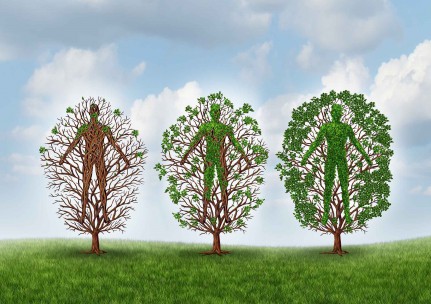
Many people take health for granted until problems appear. When physical wellbeing declines, quality of life, freedom of choice, and daily activity may also be affected. As a result, individuals often turn to medical care, treatments, and medications.
Medication plays an important role in modern healthcare, yet growing interest exists in supportive approaches that focus on prevention, lifestyle, and long-term wellbeing.
Pharmaceutical solutions are widely used to address symptoms and support treatment plans. However, frequent or uncontrolled use of medication can raise questions about balance, side effects, and overall lifestyle factors.
Medications interact with metabolism and are processed by the body’s systems, which highlights the importance of informed use under professional guidance.
Prevention focuses on strengthening the body before serious problems arise. Daily habits such as movement, posture, stress management, sleep, and nutrition influence resilience and recovery capacity.
Many health programs integrate physical exercises, relaxation techniques, sensory training, and body awareness practices aimed at supporting overall wellbeing.
A holistic approach considers physical, emotional, and behavioral factors together. Practices such as gentle movement, stretching, breathing exercises, and mindset work may support energy levels, body awareness, and lifestyle change.
Such approaches are typically used as supportive methods alongside professional medical care rather than as replacements.
Effective health strategies often combine medical guidance with preventive lifestyle practices. When individuals become more aware of habits, stress patterns, and body signals, they can participate more actively in maintaining wellbeing.
The goal is not to reject medicine, but to expand the focus toward prevention, education, and sustainable health habits.
You might also be interested in:
The Spine and Vision: What Connection?