European Institute of Norbekov System
- Know
- Love
- Create
 0
0


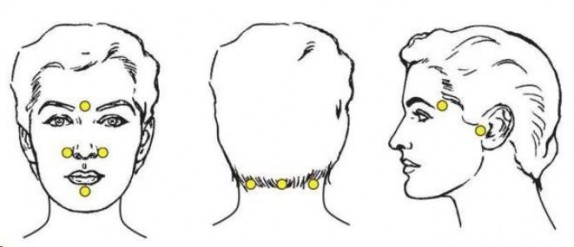
Acupressure — the massage of bioactive points — is a simple technique that can support relaxation, circulation, and overall body awareness. This gentle practice is widely used to stimulate specific points connected with different body systems.
Regular acupressure routines may support blood circulation, help release tension, improve focus, and contribute to sensory comfort such as smell, hearing, and visual relaxation.
Bioactive point massage involves applying gentle pressure to specific points on the face, head, and body. These points are traditionally associated with circulation, nervous system regulation, and muscular relaxation.
Supports circulation and body awareness
Helps release tension and fatigue
May support memory and concentration
Encourages relaxation of facial muscles
Can support sensory comfort (smell, hearing, visual relaxation)
Before starting, rub your hands together to warm them. Maintain an upright posture and relaxed breathing. Gentle pressure should feel slightly sensitive but comfortable.
A calm inner state and soft facial relaxation can enhance the overall effect of the practice.
Where: Between the eyebrows
Why: Supports relaxation, helps release tension and eye fatigue, promotes mental calm.
Where: Along the sides of the nose
Why: Supports sinus comfort, nasal awareness, smell perception, and circulation in the upper jaw area.
Where: Center between the lower lip and chin
Why: Stimulates gum awareness, supports facial muscle activation, and is traditionally associated with energetic balance.
Where: Temple area on both sides of the head
Why: Helps release tension, supports concentration, and may reduce feelings of fatigue.
Where: Small indentation in front of the ear cartilage
Why: Supports ear awareness and relaxation of surrounding muscles.
Where: Two small indentations at the base of the skull
Why: Often associated with relaxation, mental clarity, and tension release.
Where: Along the spine using circular movements with one hand and then the other (8–12 repetitions)
Why: Supports relaxation, posture awareness, and general tension relief.
Pressure should be gentle and pleasant
Slight sensitivity is normal
Avoid strong pain
Can be practiced daily
Short sessions (3–5 minutes) are sufficient
Combine with breathing and posture awareness
Maintaining an upright posture and relaxed facial expression — even a soft smile — supports the effectiveness of the practice.
Simple body practices such as acupressure can support awareness of tension patterns and encourage relaxation. When combined with movement, breathing, and posture, they form a holistic approach to everyday wellbeing.
You might also be interested in:
The Spine and Vision: What Connection?