European Institute of Norbekov System
- Know
- Love
- Create
 0
0

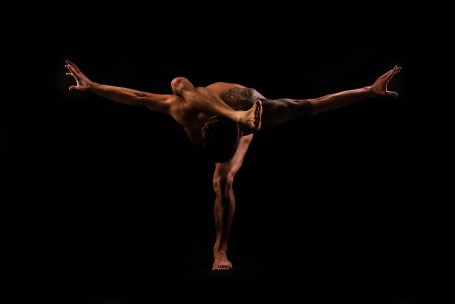
Martial arts are often seen as physical training, but their deeper purpose goes far beyond strength or self-defense. They represent a path of personal development where body, mind, and emotional awareness grow together.
The body is the instrument through which we experience the world. Training it means developing perception, confidence, and inner stability — qualities that influence everyday life.
Martial arts combine physical movement with discipline, focus, and self-reflection. This integration helps develop a balanced personality.
Training challenges not only muscles but also emotional reactions — fear, frustration, pride, and uncertainty. Learning to observe and regulate these responses becomes part of the practice.
Progress often comes through difficulty. Setbacks become feedback, helping build resilience and adaptability.
Core elements of martial arts — preparation, defense, and action — mirror situations outside training. These principles can be applied to communication, decision-making, and conflict resolution.
Practitioners learn to:
trust their perception
stay present under pressure
regulate emotions
respond instead of react
analyze situations calmly
Confidence develops gradually, not from aggression but from awareness and control.
Martial arts can change posture, movement, voice, and overall presence. More importantly, they influence internal perception — how a person relates to challenges and uncertainty.
Even individuals who begin training without confidence often experience gradual psychological growth. The goal is not to appear stronger but to feel more stable internally.
Learning how to defend oneself often reduces the need to defend at all. Confidence tends to lower tension rather than increase confrontation.
Martial arts are not only about self-defense techniques. They are a structured way to cultivate awareness, discipline, and harmony between body and mind.
When fear decreases, clarity increases. This sense of inner stability can influence many areas of life — communication, decision-making, and personal growth.
The path of the body may be demanding, but it remains one of the most direct ways to develop resilience, presence, and confidence.
You might also be interested in:
The Spine and Vision: What Connection?