European Institute of Norbekov System
- Know
- Love
- Create
 0
0


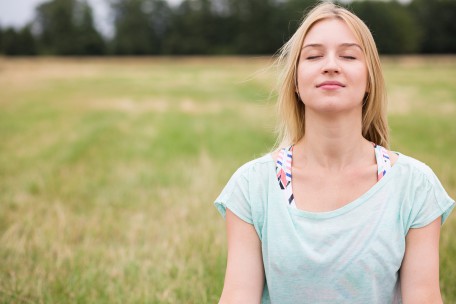
Meditation is a powerful and time-tested practice to calm the mind, reduce stress, and improve mental clarity. Today, it is widely used as a natural tool for enhancing focus, emotional balance, and overall well-being.
There are many different types of meditation, so you can choose the approach that fits your lifestyle best. Even a short session of around 10–15 minutes can positively influence your nervous system, internal organs, and overall energy balance.
Meditation has been practiced for thousands of years. It involves focusing your attention on a specific object, thought, or activity. This process trains your awareness and helps stabilize your mind.
As a result, you can experience a calmer, clearer, and more balanced mental state.
While meditation originally had spiritual roots, today it is mainly used for:
Meditation offers a wide range of scientifically supported benefits for both mental and physical health.
Regular meditation can help you:
There is no single “right” way to meditate. You can practice meditation:
A common myth is that meditation must be done in a lotus position. In reality, comfort is more important than posture.
Key recommendations:
Avoid forcing your breath — simply observe it and let it flow naturally.
The best time to meditate is in the morning, when your mind is calm and free from daily distractions. A short morning meditation can help you start your day with clarity, focus, and energy.
However, evening meditation is also highly beneficial. It helps release tension, calm your thoughts, and improve sleep quality.
The duration is flexible — while some people benefit from 10–15 minutes, others prefer longer sessions.
Meditation does not have to happen in complete silence. If your environment is noisy, you can use:
Aromatherapy (essential oils or candles) can also create a relaxing atmosphere and support concentration.
Using mantras can further help you focus your mind and deepen your meditative state.
Meditation has a profound impact on both emotional and physical health.
It can help:
Studies show that meditation may also support relief from:
In the Norbekov Method, meditation is combined with physical and mental exercises to activate inner potential and support personal growth.
If you want to deepen your practice, you can integrate meditation into a structured system of exercises. In our Level 1 Norbekov Method Seminar, you will learn how to combine meditation with movement and mindset training for more sustainable and noticeable results.
You might also be interested in: